
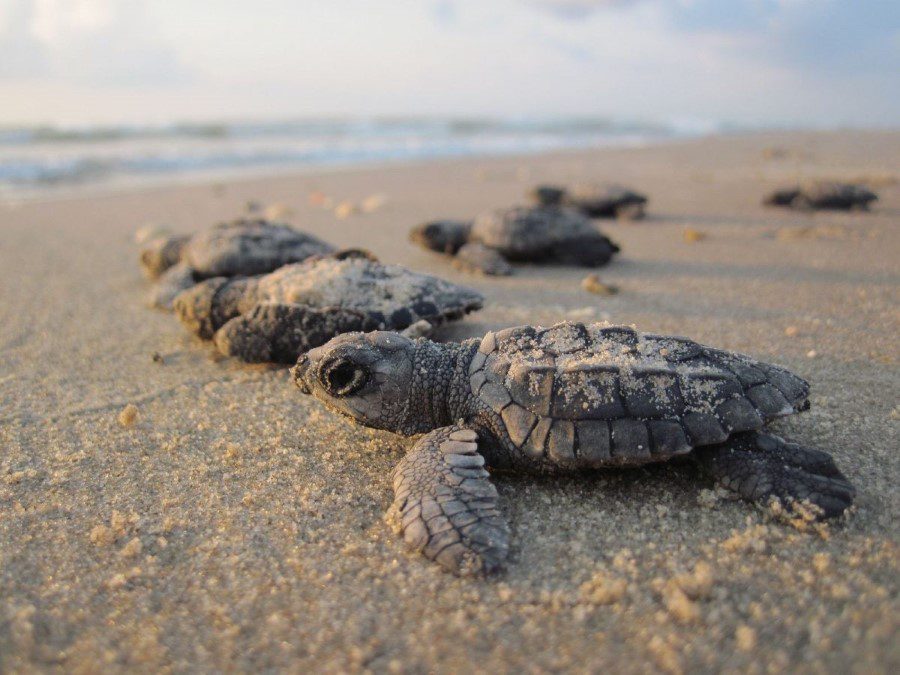
Starting on May 1st St. Armands Key Lutheran Church (SAKLC) will turn off the light on its steeple cross during sea turtle nesting season as part of its commitment to coastal conservation. Artificial lighting is a major threat to hatchling sea turtles, causing disorientation that leads to thousands of deaths each year in Florida. Addressing this issue is a critical component of marine turtle protection efforts.
Long-term monitoring relies on an annual statewide initiative to collect and analyze disorientation reports. The data gathered helps inform effective light-management practices on nesting beaches and supports ongoing research into additional strategies to reduce the harmful impacts of artificial lighting. By taking this step, SAKLC joins a broader community effort to help protect vulnerable sea turtle populations.
Commonly Asked Questions
When do hatchlings emerge?
About 8 weeks after nesting, mainly at night from June–October in the southeastern U.S.
How do they find the ocean?
They instinctively move toward the brightest horizon—normally the ocean—and away from dark dunes.
Why is artificial light harmful?
Artificial lights appear brighter than the ocean and can mislead hatchlings inland.
Do my lights matter?
Yes. Any visible light from the beach can cause disorientation—reducing light helps.
Can lights prevent nesting?
No. Turtles may still nest, and lighting can harm hatchlings on nearby beaches.
How bright is too bright?
If a light is visible from the beach, it can be a problem.
What to do with disoriented hatchlings?
Move them to a dark beach area and let them crawl to the ocean. Report to authorities (1-888-404-FWCC).
Who should I contact about problem lighting?
Notify the property owner and local authorities.
Do pier or offshore lights help?
No. They can worsen disorientation and increase predation.
Is beach lighting necessary for safety?
Nearby areas can be safely lit without shining light onto the beach.
Is darkening beaches expensive?
No. Turning off or shielding lights is low-cost and effective.
Are relocated nests enough?
No. It doesn’t solve lighting issues and can reduce hatch success.
Why protect sea turtles?
They are ecologically important, and protecting them benefits coastal environments.